Bookshelf Embroidery Design
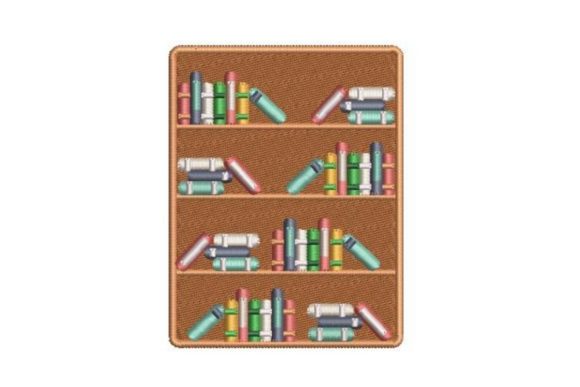
As an embroidery designer and product reviewer, I’ve evaluated countless machine embroidery designs, but few have the timeless appeal of Bookshelf. This design is perfect for those who want to elevate their handmade products or custom apparel with a touch of literary charm. The first impression is clean, classic, and immediately recognizable—ideal for a wide range of embroidery projects.
The Mood and Visual Personality of Bookshelf
Bookshelf exudes a calm, intellectual energy. Its simple lines and structured layout make it feel like a staple in any home or personal space. The design’s visual personality is understated yet elegant, making it suitable for both modern and traditional settings. It’s not overly complex, which means it can be adapted to various fabric types and project styles without overwhelming the final look.
This embroidery design feels most at home on items that celebrate reading, such as tote bags, sweatshirts, or baby onesies. It also works well as an embroidered patch or a decorative element on aprons, pillow covers, or kitchen towels. The shape and theme are versatile enough to fit into a variety of creative projects without feeling out of place.
Real-Life Embroidery Scenarios with Bookshelf
Imagine you’re preparing a custom embroidered tote bag for a client who loves books. Bookshelf would be an excellent choice for the front panel. The design is large enough to be visible but not so big that it dominates the entire bag. It would work well on a medium-sized hoop, making it easy to stitch onto cotton or canvas fabrics commonly used for tote bags.
On a sweatshirt, Bookshelf could serve as a subtle yet meaningful detail. It might be placed on the sleeve or across the back, depending on the style. The design’s simplicity ensures it won’t clash with other elements, and its clean lines make it easy to match with different thread colors. Whether you’re working on a personalized gift or a small business merchandise item, Bookshelf adds a professional touch without being too flashy.
For baby items, Bookshelf could be part of a nursery decor set. A onesie with this design would make a thoughtful, personalized gift. The design’s size and layout make it suitable for smaller garments, and its soft, classic look aligns well with the gentle aesthetic of baby clothing.
Where to Use Bookshelf with Caution
While Bookshelf is a strong design, there are situations where it may not perform as well. For instance, if you’re trying to fit it into a small hoop, you may need to resize or split the design, which could affect the overall quality. Similarly, on textured fabrics or thin materials, the stitching might not show up as clearly as it would on a smooth, sturdy base.
Stretchy fabrics can also be a challenge. If you’re planning to embroider this design on a t-shirt or a cap, make sure to use the right stabilizer and test it on a scrap piece first. On dark fabrics, the contrast between the thread and the background will matter—consider using a lighter thread color for better visibility.
Dense stitch areas or intricate details could be problematic if the design isn’t optimized for your machine. Bookshelf has a moderate level of detail, so it should work well for most standard machines, but always check the stitch density and file format before starting a project.
Impact on Visual Appeal and Customer Perception
Bookshelf has a strong visual presence that enhances the overall appeal of any finished product. Its clean lines and balanced composition make it easy to recognize, which is important for brand consistency and customer recognition. When used on a handmade product or personalized gift, it adds a sense of thoughtfulness and craftsmanship.
From a commercial perspective, this design can increase the perceived value of your work. Customers often associate well-executed embroidery with quality and care, and Bookshelf delivers on that front. It also helps build trust, especially when used in Etsy listings or craft fair booths. A professionally stitched design can make a big difference in how your products are received.
For small shop owners and Etsy sellers, Bookshelf offers flexibility. It can be used as a standalone design or combined with other elements to create a cohesive collection. Its adaptability makes it a valuable addition to your design assets, whether you're creating printable mockups or digital embroidery files for sale.
Practical Designer Notes for Using Bookshelf
Before committing to a full project, always test the design on scrap fabric. This helps you understand how the stitches will look on your chosen material and allows you to adjust the stabilizer or thread color if needed. Check the stitch density to ensure it’s appropriate for your project’s scale and purpose.
Confirm the hoop size required for the design. If it’s larger than your machine can handle, consider splitting the design or resizing it appropriately. Also, inspect the small details—like lettering or corners—to make sure they’ll hold up during the embroidery process.
Test the design in black and white mockups to see how it looks on different backgrounds. Compare it on light and dark fabrics to determine the best thread color for your intended use. Make sure you’re using the right stabilizer for the fabric type, especially if you’re working with stretchy or delicate materials.
Finally, confirm whether the design is licensed for both personal and commercial use. If you’re planning to sell finished items or digital products, ensure that the terms allow for that. Always double-check the embroidery file formats and compatibility with your machine before starting any project.
Conclusion: A Timeless Choice for Creative Projects
Bookshelf is a reliable, versatile embroidery design that fits well into a variety of creative projects. Its classic look and practical layout make it ideal for custom apparel, personalized gifts, and small business merchandise. With proper preparation and attention to detail, it can elevate your handmade products and add value to your craft business.