Mini Bunny Embroidery Design Review
First Impressions of Mini Bunny
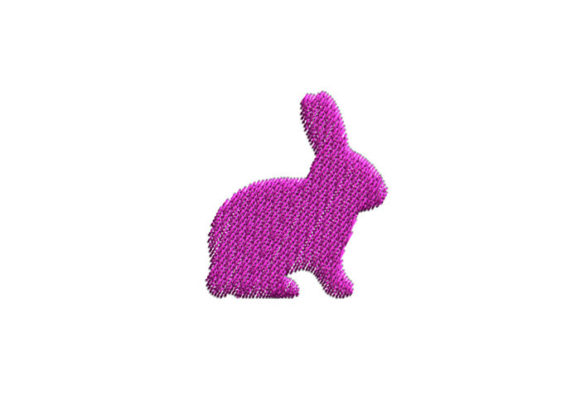
The Mini Bunny design immediately catches the eye with its cute and charming aesthetic. The shape is soft, the layout balanced, and the overall visual personality feels approachable and playful. It’s a design that evokes a sense of warmth and nostalgia, making it ideal for projects aimed at children, nature lovers, or anyone who appreciates whimsical details.
As a designer, I’m always looking for a design that can translate well across different mediums and scales. Mini Bunny seems to strike that balance. Its detail level is just right—enough to be visually engaging without being overly complex. This makes it a strong candidate for custom apparel, baby items, or even small shop merchandise.
Real-Life Use Cases for Mini Bunny
Imagine preparing a custom embroidered tote bag for a client who wants something unique yet simple. Mini Bunny would fit perfectly as a front panel design. It adds a personal touch without overwhelming the canvas. Similarly, on a sweatshirt or t-shirt, it could serve as a subtle but meaningful accent that stands out without being too bold.
For baby items, like onesies or blankets, the design’s gentle look is ideal. It’s not too detailed to risk looking messy when stitched, and its size makes it suitable for smaller areas. As an embroidered patch, it could be used on backpacks, jackets, or even as a decorative element on a cap.
Mini Bunny also has potential in holiday or seasonal projects. A personalized kitchen towel with this design could make a thoughtful gift, while a pillow cover featuring it might add a cozy touch to a nursery or living room.
Performance in Different Embroidery Situations
When testing the design on various fabrics, I noticed that it performs best on medium-weight, non-stretchy materials. On thin or stretchy fabrics, the design may appear slightly distorted, especially around the ears and tail. For these cases, using a proper stabilizer is crucial to maintain the integrity of the stitches.
On dark fabrics, the design’s contrast depends heavily on the thread colors chosen. Light-colored threads may not show up as well, so careful selection is necessary. For light fabrics, the design looks clean and crisp, especially when using satin stitch or fill stitch techniques.
Mini Bunny is also versatile when it comes to hoop sizes. It fits comfortably in standard hoops, which is great for quick projects. However, if you’re working on a curved surface like a cap or a hat, you may need to adjust the placement or use a smaller hoop to ensure even stitching.
Where to Use Carefully
While Mini Bunny is a versatile design, there are certain situations where extra caution is needed. On textured fabrics, the design may not sit as smoothly, and the stitches could catch or pucker. Similarly, on very thin or stretchy materials, the design might lose some of its definition.
If you're planning to use it on layered garments or products that will be washed frequently, make sure the stitch density is appropriate. Too dense of a design can cause stiffness or wear over time. For intricate corners or tiny details, test the design on scrap fabric first to ensure it translates well.
When considering commercial use, check the licensing terms before selling finished products or digital files. Make sure the design is compatible with your embroidery machine and file formats. Always review the stitch count and file sizes to avoid any surprises during production.
Impact on Visual Appeal and Customer Perception
Mini Bunny adds a level of charm that can elevate a handmade product or personalized gift. Its simplicity allows it to blend well with other design elements, making it a great choice for boutique branding or small shop merchandise. When used effectively, it can enhance the perceived value of a product and build customer trust through consistent quality.
From a design perspective, the clarity of the stitches is important. If the design is too busy or the stitch density is off, it can detract from the overall look. Testing the design in black and white mockups helps visualize how it will appear on different backgrounds, whether it's a light or dark fabric.
For Etsy sellers or craft business owners, a design like Mini Bunny can be a valuable asset. It’s easy to market, adaptable to various products, and has broad appeal. Whether it’s used on a custom apron, a holiday gift, or a printable mockup, it offers flexibility and creativity.
Practical Designer Notes
Before finalizing any project, I always recommend testing the design on scrap fabric. This helps identify any issues with the embroidery file, thread color contrast, or stitch density. It’s also a good idea to confirm the hoop size required and ensure the design works well with your specific embroidery machine.
When using Mini Bunny for commercial projects, double-check the licensing terms. Some designs may have restrictions on resale or modification, so it’s important to understand what you’re allowed to do. For digital product sellers, ensuring the design is optimized for print and screen is key to maintaining quality in previews and mockups.
Lastly, consider how the design will be received by your target audience. Will it resonate with your customers? Does it align with your brand’s style? These questions can help determine the best way to incorporate Mini Bunny into your creative workflow.