Skeleton Embroidery Design Review
As an embroidery designer with years of experience in custom apparel and boutique brand development, I’ve come across countless machine embroidery designs. Skeleton, a Halloween-themed embroidery file from Creative Fabrica, stands out for its bold visual personality and versatility across various apparel projects. Whether you're crafting a seasonal sweatshirt collection or adding a touch of spooky flair to tote bags, this design offers creative potential that’s worth exploring.
First Impressions: Visual Personality and Detail Level
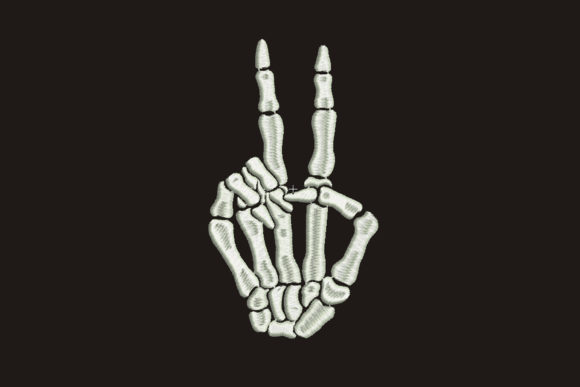
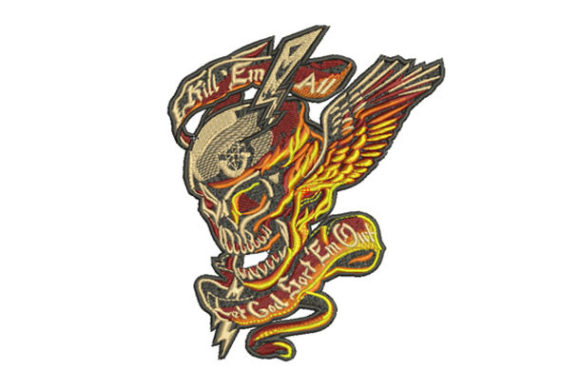
Skeleton immediately grabs attention with its intricate detailing and dramatic composition. The design exudes a playful yet slightly eerie vibe, making it ideal for holiday-themed apparel. Its stitching mood is both bold and artistic, with enough complexity to feel premium without overwhelming the fabric. The level of detail is impressive, especially when considering how well it translates to different materials and garment types.
From a design standpoint, Skeleton feels like a perfect fit for boutique brands looking to add a unique element to their product line. It balances between being eye-catching and versatile, allowing for creative placement on a variety of garments.
Apparel Use Cases: From Sweatshirts to Tote Bags
When considering how Skeleton performs on different fabrics and styles, there are several key applications to explore:
- Sweatshirt Embroidery: On neutral-colored sweatshirts, Skeleton adds a striking focal point that can elevate the entire look. The design’s size and detail work well on larger surfaces, making it a strong choice for chest placements.
- Hoodie Chest Placement: As a hoodie design, Skeleton shines when placed centrally on the chest. Its dark, defined lines contrast well with pastel or light-colored hoodies, creating a visually appealing balance.
- Sleeve Accents: For a more subtle approach, Skeleton can be used as a sleeve accent. This application works best on oversized or relaxed-fit garments where the design doesn’t feel cramped.
- Back Designs: On larger back panels, Skeleton makes a strong statement. It’s particularly effective on dark-colored garments, where the design’s depth and texture really stand out.
- T-Shirt Embroidery: While smaller than some other designs, Skeleton still holds up well on t-shirts, especially when placed on the front or back. It’s a great option for seasonal collections or themed events.
- Tote Bag Design: As a printable mockup, Skeleton adds a fun and festive touch to tote bags. It’s perfect for small shop products or handmade items sold online.
Where to Use Skeleton Carefully
While Skeleton is a versatile design, there are certain scenarios where caution is needed:
- Small Chest Placement: If the design is too large for a small chest area, it may appear cluttered. Consider resizing or adjusting placement accordingly.
- Dense Stitch Areas: The design has a high stitch density, which could cause issues on stretchy or delicate fabrics. A stabilizer is recommended to prevent puckering or distortion.
- Stretchy Fabric: Fleece, ribbed fabric, or other stretchy materials may require additional support to ensure the design stays intact after washing.
- Dark Garments: Skeleton works exceptionally well on dark backgrounds, but the thread colors should be chosen carefully to maintain visibility and contrast.
- Curved Surfaces: When applying the design to curved areas like sleeves or hems, ensure the hoop size and stabilizer are appropriate to avoid misalignment.
- Tiny Lettering: If the design includes text, check that it remains legible after embroidery. Some digital embroidery files may have lettering that becomes too small during scaling.
Impact on Apparel Value and Brand Identity
Skeleton has the potential to enhance the value of custom apparel by adding a unique and recognizable element to a brand’s product line. As an Etsy seller or small shop product creator, using this design can help establish a cohesive aesthetic that resonates with customers. Its visual strength makes it ideal for building brand identity, especially during the Halloween season.
For commercial embroidery projects, Skeleton offers a professional look that can boost buyer trust and product recognition. When paired with consistent thread colors and proper placement, it contributes to a polished and cohesive finished product.
Practical Designer Notes
Before finalizing any project with Skeleton, here are a few practical tips to keep in mind:
- Test on Scrap Fabric: Always test the design on a similar fabric before committing to a full production run. This helps identify any potential issues with stitching or fabric compatibility.
- Check Stabilizer Choice: Depending on the fabric type, choose the right stabilizer to prevent puckering and ensure the design stays in place.
- Review Thread Color Contrast: Ensure the thread color complements the garment color for maximum visual impact.
- Confirm Hoop Size: Make sure your hoop size accommodates the design dimensions to avoid cutting off parts of the embroidery.
- Inspect Stitch Density: High-density areas may need extra stabilization or a different stitch sequence to prevent fabric damage.
- Test on Similar Garment Fabric: If the design will be used on multiple fabric types, test each one to ensure consistent results.
- Compare Placement Options: Experiment with different placements on the garment to find the most visually appealing and functional layout.
- Check Creative Fabrica Product Details: Confirm the embroidery file formats, hoop sizes, and licensing terms before using the design for commercial purposes.
Final Thoughts: Is Skeleton Worth Adding to Your Collection?
Skeleton is a compelling addition to any embroidery designer’s toolkit, especially for those working on boutique apparel, handmade products, or seasonal merchandise. Its bold design, versatility, and visual appeal make it a strong candidate for a wide range of applications—from sweatshirts and hoodies to tote bags and lifestyle products.
Whether you’re an Etsy seller, a small clothing brand, or a craft business owner, Skeleton offers creative flexibility that can enhance your product offerings. With careful planning and testing, it can become a valuable asset in your embroidery workflow and contribute to the overall success of your brand.