Pinata Embroidery Design Review
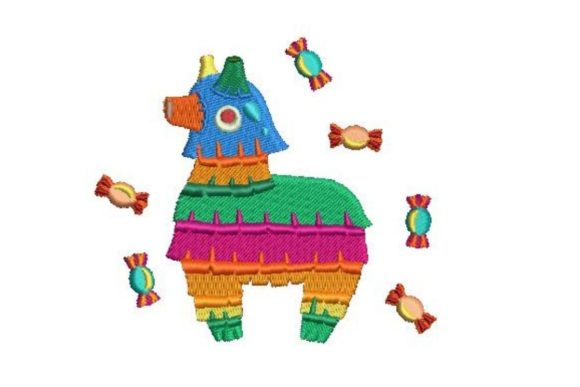
The Pinata design is a vibrant and festive addition to any craft fair product lineup. Its bold, colorful llama shape brings a playful energy that can elevate a variety of handmade items. As an embroidery designer with years of experience, I’ve seen many designs come and go, but this one has real potential for both visual appeal and practical production.
First Impressions of the Pinata Design
From the first glance, the Pinata design exudes a cheerful and fun vibe. It’s not just cute—it’s eye-catching and perfect for events like birthdays or baby showers. The design feels modern yet whimsical, making it versatile enough to fit into different styles, from rustic farmhouse to contemporary boutique settings.
Its color palette is lively and engaging, which makes it stand out in a crowded booth. When viewed up close, the details are clear and well-defined, which is essential for embroidery. This design would work well as a focal point on larger items like tote bags or pillow covers, but it also has the flexibility to be used as a smaller accent on caps or patches.
Performance on Different Craft Fair Products
On a tote bag design, the Pinata would make a strong statement. The size and shape allow for easy placement, and the colors pop against most fabric types. For apron embroidery, it could be placed near the pocket or on the back, adding a unique touch that customers would notice immediately.
As a tea towel embroidery, the Pinata would add a festive flair to any kitchen. It’s large enough to be visible without being overwhelming. On caps, the design needs careful placement due to the curved surface, but with the right hoop size and stabilizer, it can look great.
Embroidered patches would be a quick and cost-effective way to introduce the Pinata to a wider audience. They’re easy to produce in bulk and can be sold as standalone items or added to other products. Similarly, fabric pouches and market bags would benefit from the design’s boldness, making them ideal for gift-giving or retail display.
Practical Selling and Production Considerations
One of the key factors in determining a design’s success is how easily it translates to different products. The Pinata design is visually clear and recognizable at a glance, which is important for attracting customer attention at a craft fair. It works well as both a large focal design and a smaller detail, depending on the item.
For online listings, the design photographs well, especially when paired with light-colored fabrics. However, if using dark or textured materials, the contrast may need adjustment. The design’s clarity at smaller sizes is another consideration—make sure to test it on various scales before finalizing production.
When producing in batches, the stitch density should be checked to ensure it doesn’t become too dense or cause fabric puckering. A proper stabilizer is essential, especially for items like textured towels or thick fabrics. The hoop size will depend on the product, so always confirm compatibility before starting.
Careful-Use Notes for the Pinata Design
While the Pinata design is generally straightforward, there are a few areas to be mindful of. If the design includes tiny details or small lettering, they may not translate well to certain fabrics. It’s also important to consider how the design looks on dark fabric, as some colors may not show up as expected.
For curved cap surfaces, the design might require slight adjustments to maintain its shape and clarity. Always test the design on scrap fabric before committing to full production. This helps identify any issues with thread colors, spacing, or stitch density.
Impact on Visual Appeal and Customer Engagement
The Pinata design adds significant visual appeal to any product line. Its bright colors and playful shape draw attention, making it a natural conversation starter at a booth. Customers often gravitate toward items that feel unique and expressive, and this design delivers on both counts.
As a handmade product, the Pinata reinforces the value of artisanal craftsmanship. It’s a design that feels personal and thoughtful, which aligns well with the expectations of Etsy sellers and small shop products. Its presence in a booth can strengthen the overall display, making it more inviting and cohesive.
For commercial embroidery or digital embroidery file sales, the Pinata offers a solid foundation. It’s a design that can be adapted across multiple formats and is likely to remain relevant for seasonal events. With the right branding and presentation, it can become a staple in a designer’s portfolio.
Embroidery Designer Notes for Success
To get the best results with the Pinata design, start by testing it on scrap fabric. This allows you to see how the stitch density and thread colors interact with different materials. Make sure to review the spacing and hoop size to avoid any distortion during the embroidery process.
Creating at least one real mockup is crucial. It gives you a tangible sense of how the design will look once completed. Comparing fabric colors and checking for design assets that may need tweaking will help ensure the final product meets your standards.
Before selling finished products, always confirm commercial licensing to avoid any legal issues. The Pinata design has a lot to offer, and with the right approach, it can become a valuable addition to any embroidery business or craft fair display.